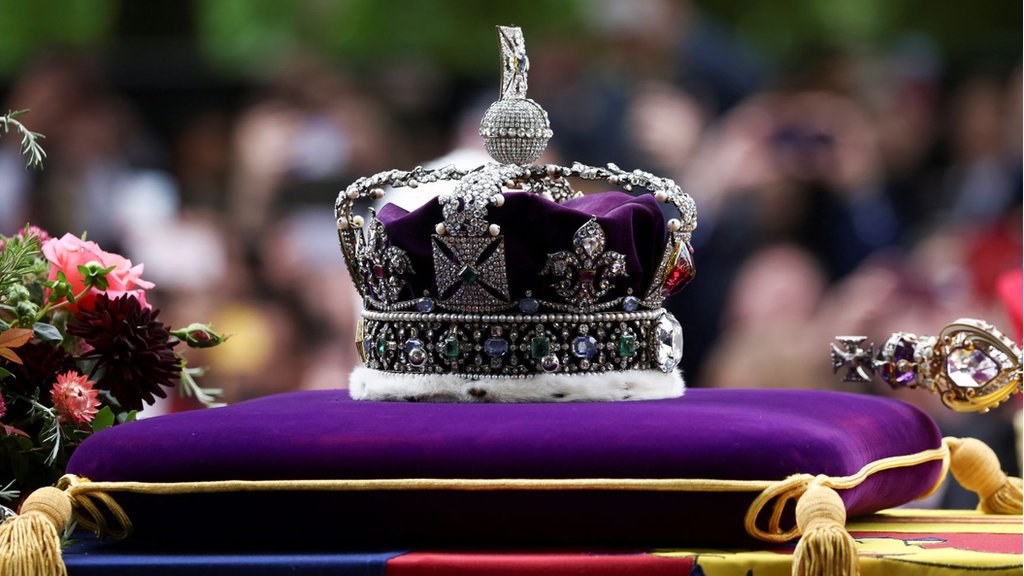
The Royal Blue Legacy: The Story of the Sapphires in Queen Elizabeth II’s Crown
Queen Elizabeth II’s Imperial State Crown is famous for its diamonds and grandeur, but two striking blue sapphires hidden within it carry some of the most fascinating stories in royal history. The first is the magnificent 104-carat Stuart Sapphire, believed to have originated in Ceylon (modern-day Sri Lanka). This gem journeyed through Europe with the exiled Stuart royal family, passed between monarchs and allies during times of political upheaval, and eventually returned to Britain in the early 19th century, where it was placed at the back of the crown as a symbol of continuity and restored heritage. The second gem, St Edward’s Sapphire, is smaller but even more legendary. Set in the cross at the very top of the crown, it is said to have once been part of a ring worn by Edward the Confessor, an 11th-century English king, making it one of the oldest stones in the royal collection and a powerful reminder of the monarchy’s ancient roots. Together, these sapphires reflect the royal family’s long admiration for Sri Lankan gemstones and echo the symbolism seen in other famous royal jewels, such as Princess Diana’s sapphire engagement ring, now worn by Catherine, Princess of Wales. Beyond their beauty, the sapphires in Queen Elizabeth II’s crown represent loyalty, resilience, faith, and history — a glittering testament to how gemstones can quietly preserve the stories of empires and generations.
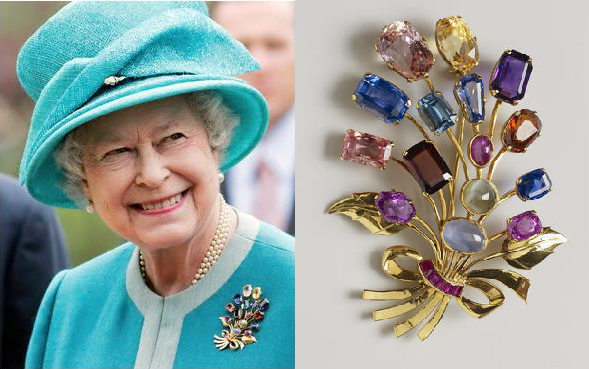
Sri Lanka’s Gem Heritage and the Story of Queen Elizabeth’s Trumpet Brooch
Sri Lanka has been known for centuries as “Ratna-Dweepa,” meaning the Gem Island, because of its remarkable variety of high-quality gemstones. The country’s gem fields especially around Ratnapura have supplied jewels to traders, royals, and collectors across Asia, the Middle East, and Europe for thousands of years. Sri Lanka is particularly famous for its sapphires, including rare shades of blue, pink, and yellow, as well as rubies, garnets, spinels, and other colored stones. These gems are prized not only for their natural brilliance and durability, but also for the skilled craftsmanship of Sri Lankan cutters, whose techniques have been refined and passed down through generations. The Trumpet Brooch, presented to Queen Elizabeth II during her 1981 visit to Sri Lanka, was created specifically to highlight this gem heritage. Designed in a trumpet flower style and set with Sri Lankan stones, the brooch symbolized both the island’s natural wealth and its long tradition of gemstone artistry. By gifting the brooch, Sri Lanka showcased its identity as a leading source of fine gems, while strengthening diplomatic ties with the British monarchy. When the Queen wore the piece, it brought international attention to Sri Lanka’s gem industry and reinforced the country’s reputation on the global jewelry stage.
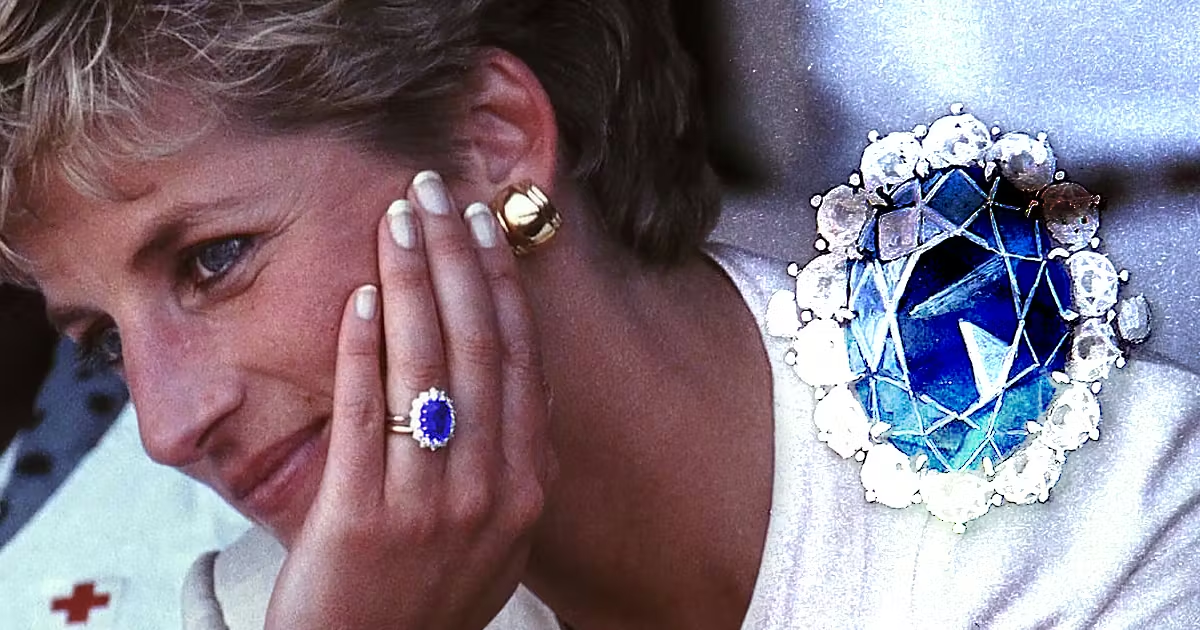
Sri Lanka’s Legacy Behind Princess Diana’s Sapphire
Princess Diana’s iconic engagement ring a 12-carat oval blue sapphire surrounded by diamonds, quietly carried the legacy of Sri Lanka, long celebrated as one of the world’s great sapphire sources. Known historically as “Ceylon sapphires,” Sri Lankan stones are prized for their vivid, velvety blue color, clarity, and natural brilliance, shaped over millions of years in the island’s ancient gem-bearing riverbeds. When the British jeweler Garrard set a Sri Lankan sapphire at the heart of Diana’s ring in 1981, it linked modern royalty to a centuries-old trade that once supplied gems to kings, explorers, and merchants across Asia and Europe. Today, as the ring lives on with Catherine, Princess of Wales, it also continues to shine as a symbol of Sri Lanka’s enduring craftsmanship and gem-cutting heritage. From those days this is what has bought the value to Srilanka where its known as the best country for gems.
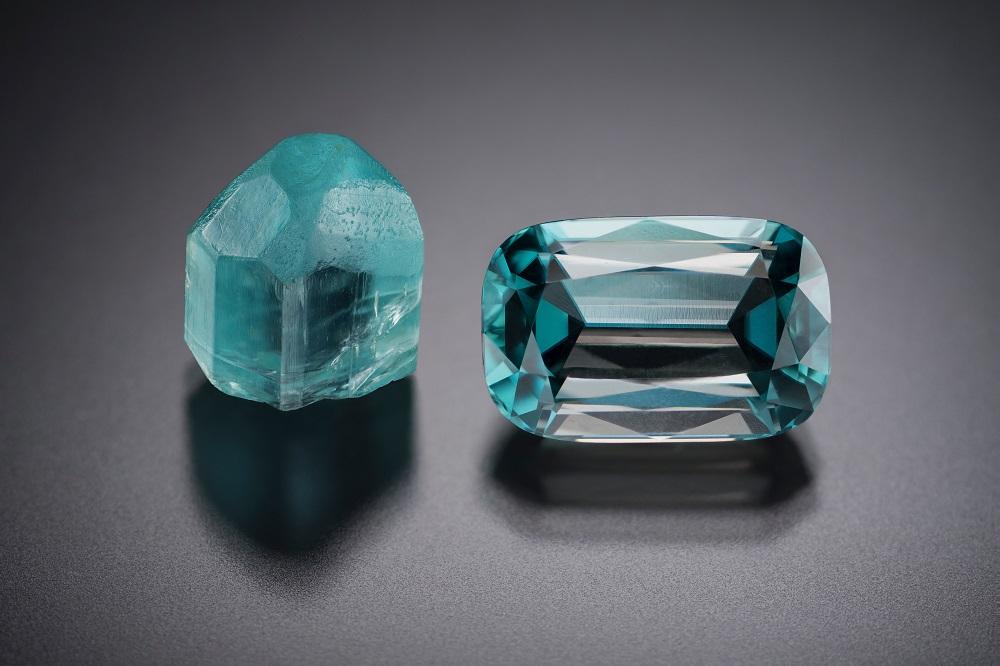
A 2,500 -Year Journey of Sri Lankan Gemstones
Sri Lanka’s gemstone heritage spans more than 2,500 years, earning the island a legendary reputation as one of the world’s oldest and richest gem sources. Ancient traders from Rome, Persia, Arabia, and India were drawn to the island’s natural treasures, especially its sapphires, rubies, and cat’s eye. Historical records and royal chronicles reveal that Sri Lankan gemstones were prized by kings and emperors, symbolizing power, protection, and prosperity. This long-standing history established Sri Lanka as a trusted name in the global gem trade. Through generations, traditional mining, cutting, and polishing techniques have been carefully preserved and refined. These time-honored practices, combined with ethical sourcing and modern gemological standards, ensure that Sri Lankan gemstones continue to meet international demand. Today, Ceylon gems represent a perfect blend of ancient heritage and contemporary excellence, carrying forward a legacy of authenticity, craftsmanship, and timeless beauty.
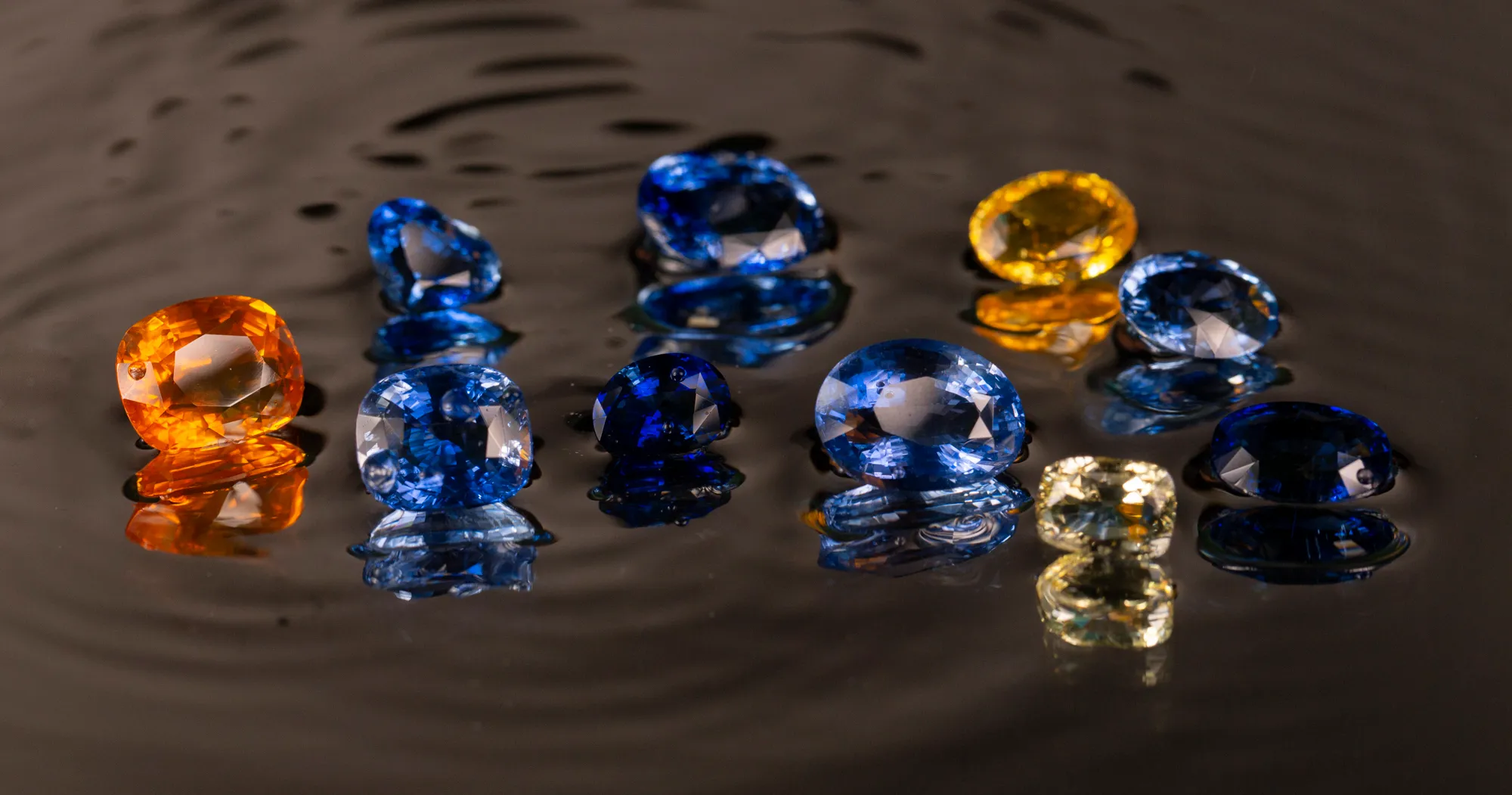
How to Identify Genuine Sri Lankan Gems
Genuine Sri Lankan gems can be identified by their natural brilliance, rich yet soft colors, and fine clarity that reflects the stone’s purity. Most authentic Ceylon gemstones contain small natural inclusions, which act as proof of their natural formation rather than flaws. Reputable Sri Lankan gems are often untreated or only lightly heat-treated, preserving their original beauty and increasing their value. To ensure authenticity, buyers should always request a recognized gem certificate that clearly states the gemstone’s origin and treatment details. Purchasing from trusted and registered Sri Lankan gem dealers further guarantees the quality, ethical sourcing, and true value of the gemstone.
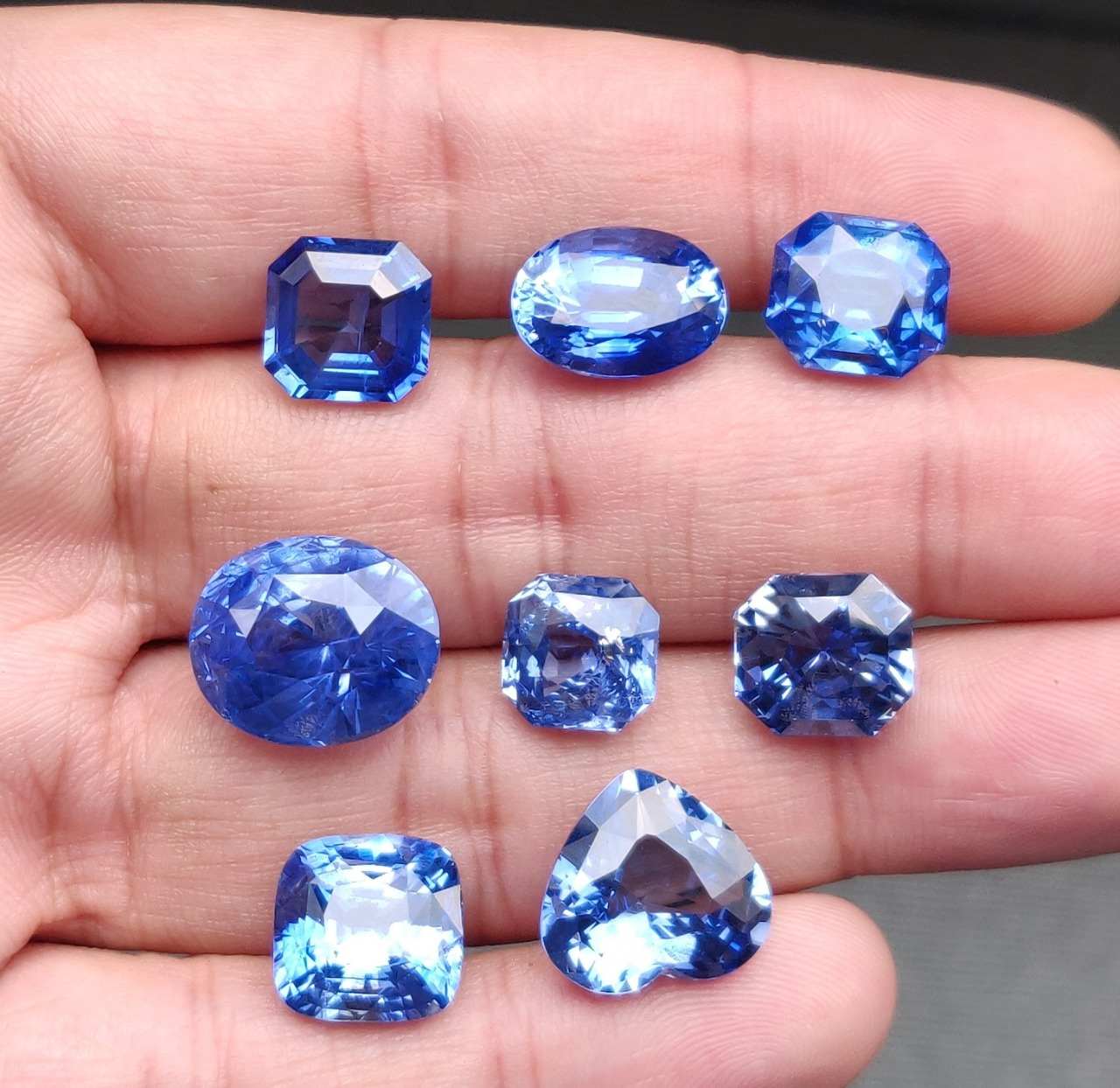
Ceylon Blue Sapphire: The World’s Most Desired Gem
Ceylon Blue Sapphire, sourced from the gem-rich lands of Sri Lanka, is celebrated worldwide for its exceptional beauty, brilliance, and purity. Unlike darker sapphires found elsewhere, Ceylon blue sapphires are admired for their vivid yet light-to-medium blue tones, often described as “cornflower blue.” Their high transparency and natural sparkle make them especially attractive in fine jewelry, allowing light to reflect with unmatched brilliance. Beyond beauty, Ceylon blue sapphires are valued for their rarity, durability, and ethical origins. Many stones are naturally untreated, preserving their authentic color and internal structure—an important factor for collectors and investors. With a gem heritage spanning over 2,500 years, Sri Lanka continues to supply some of the finest blue sapphires to global markets, making the Ceylon Blue Sapphire a timeless symbol of luxury, trust, and prestige.
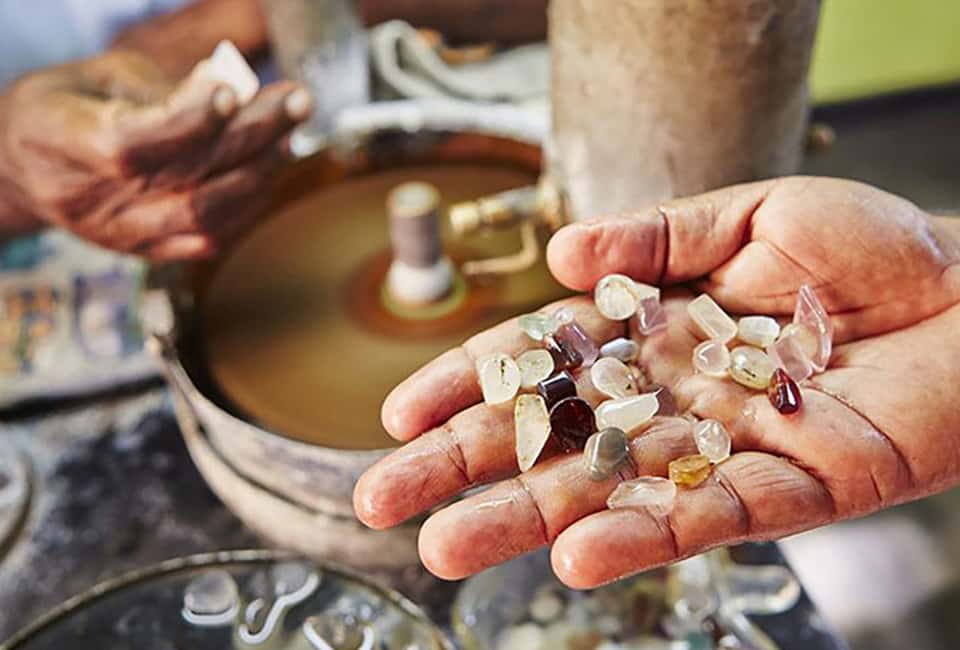
Gems in Pelmadulla
Pelmadulla, located in the Ratnapura District of Sri Lanka, is one of the country’s most famous gem-producing regions and lies at the heart of the legendary Sabaragamuwa gem belt. This area is especially renowned for producing world-class sapphires, including blue, yellow, pink, and white sapphires, along with rubies, spinel, garnet, zircon, and cat’s eye. The rich alluvial soil of Pelmadulla has yielded some of Sri Lanka’s finest gemstones, making it a vital center for both local miners and international gem traders. Gem mining in Pelmadulla follows traditional and environmentally conscious methods that have been practiced for generations. Skilled miners carefully extract stones by hand, preserving both the land and the natural quality of the gems. Combined with expert cutting and polishing, Pelmadulla gems are known for their exceptional clarity, vibrant color, and durability. Today, gemstones from Pelmadulla are highly valued in global markets, representing Sri Lanka’s deep-rooted gem heritage and unmatched craftsmanship.
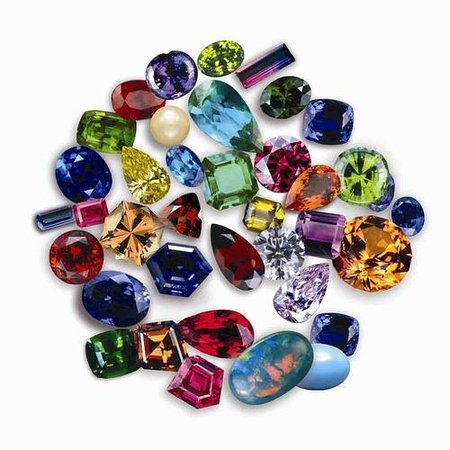
Sri Lankan gems
Sri Lanka, often called the “Island of Gems,” is one of the world’s oldest and most respected sources of precious gemstones. For over 2,500 years, the country has been renowned for its exceptional sapphires, rubies, topaz, garnets, cat’s eye, and many other rare stones. Sri Lankan gems are celebrated for their natural brilliance, rich colors, and high clarity, with famous varieties such as Ceylon blue sapphire admired across global markets. Ethically mined and traditionally cut, these gemstones reflect a heritage of craftsmanship passed down through generations, making Sri Lankan gems a symbol of purity, authenticity, and timeless beauty.